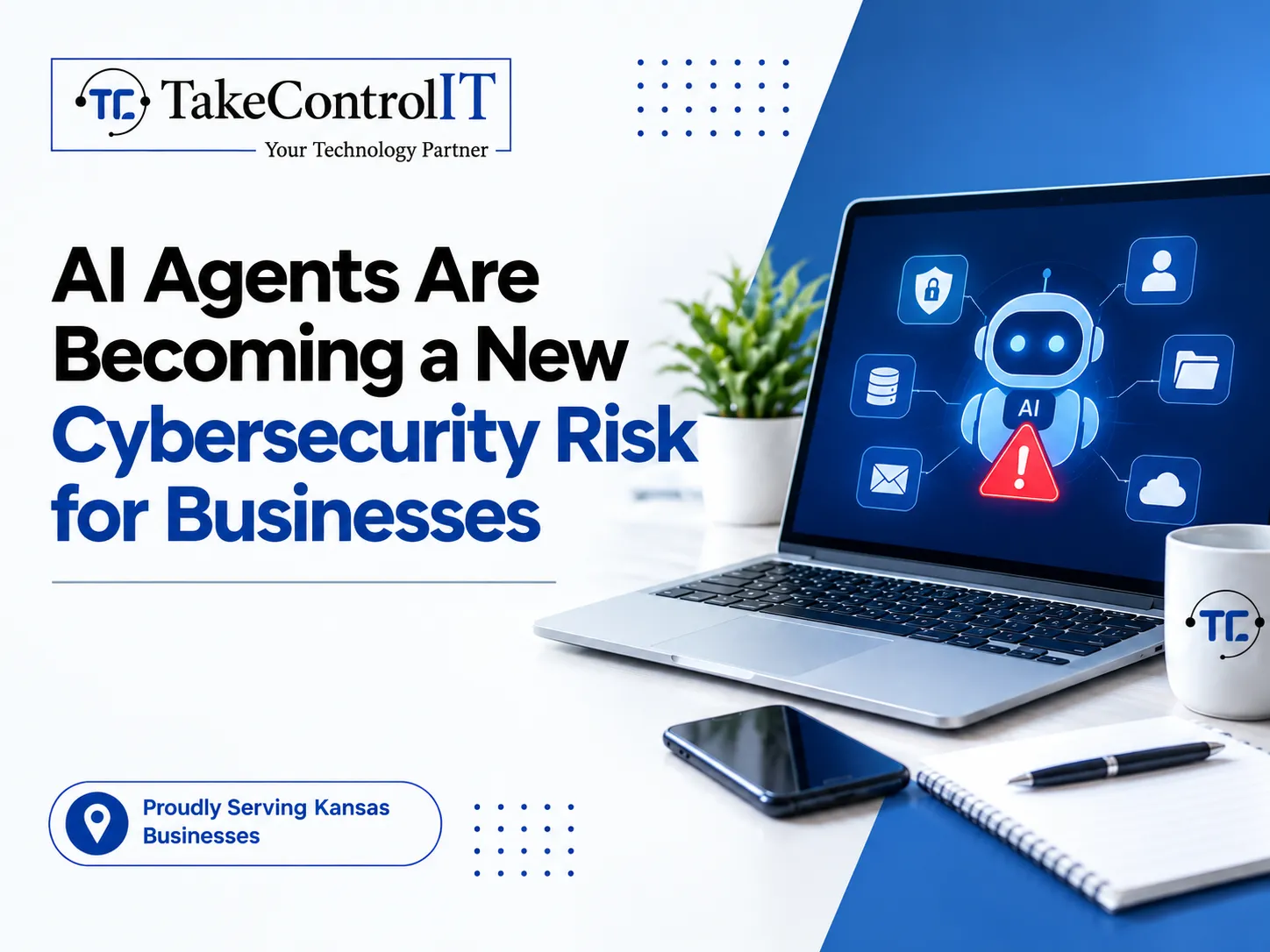

Artificial intelligence is no longer just drafting emails or summarizing spreadsheets. Today, autonomous AI systems take action on behalf of entire departments. They schedule meetings, move data across platforms, execute code, and communicate directly with customers. While these tools drive efficiency, they also open unprecedented vulnerabilities. Maintaining robust AI agent security has become vital for organizations looking to modernize safely.
Without dedicated safeguards, delegated system autonomy can quickly expose critical business infrastructure. Addressing emerging AI security risks requires a proactive security framework tailored to how autonomous workflows operate.
Unlike conventional chatbots that simply provide text answers, autonomous agents analyze objectives, make independent decisions, and execute multi-step workflows. They integrate directly with internal databases, customer relationship management (CRM) software, and enterprise communication channels. Because these systems possess operational permissions, securing them demands specialized attention.
Effective AI agent security ensures that software bots act only within strictly authorized boundaries. When organizations connect autonomous tools to business-critical environments, every granted credential expands the potential attack surface. Strong governance guarantees that automated systems retain efficiency without bypassing established operational checks.
Traditional software security relies on predictable inputs, structured logic, and deterministic outputs. Autonomous AI systems operate probabilistically, interpreting natural language prompts from external sources, emails, and web pages. This shift makes defense much more complex for IT administrators.
The primary driver behind modern AI agent cybersecurity risks is excessive privilege. Companies often grant agents broad system access to avoid operational friction. If an agent has permissions to read internal tickets, query databases, and send outgoing emails, any breach of that agent compromises the entire data chain.
Furthermore, agent-to-agent interactions introduce compounding vulnerabilities. When multiple autonomous systems pass instructions without authentication checkpoints, a compromised agent can trigger cascading failures across core business networks.
Recognizing common attack vectors helps leadership teams identify gaps in their digital ecosystem before hostile actors exploit them. Modern business environments frequently face the following vulnerabilities:
Protecting your team from sophisticated AI security threats requires layered monitoring across every layer where natural language triggers operational actions.
Defending modern systems requires shifting from standard perimeter firewalls to continuous, identity-driven protection. Organizations must evaluate how each bot interfaces with company files, system endpoints, and third-party vendors.
| Security Layer | Operational Focus | Enterprise Protection Objective |
| Identity & Access | Principle of Least Privilege | Restricts agents to role-based system commands |
| Input Validation | Contextual Prompt Sanitization | Neutralizes indirect prompt injections |
| Output Controls | Data Loss Prevention (DLP) | Filters outbound payloads to stop data exfiltration |
| Runtime Auditing | Real-Time Activity Telemetry | Flags anomalous agent decisions and API calls |
Implementing strong AI agent security involves isolating agent operations within segmented virtual environments. Sandboxing ensures that even if an agent misinterprets a command, the disruption remains contained rather than affecting your core infrastructure.
Establishing human-in-the-loop validation for sensitive transactions adds another crucial safeguard. High-impact operations, such as approving wire transfers, bulk-deleting records, or changing network configurations—should always require human sign-off. Incorporating AI security risks management into routine employee training helps staff spot suspicious automated behavior early.
Maintaining continuous oversight over complex machine learning pipelines and agent workflows demands dedicated technical expertise. For growing organizations, internal IT departments are often stretched thin managing day-to-day operations, leaving little time to monitor specialized threat vectors.
Partnering with an experienced provider of [suspicious link removed] helps bridge this technical gap. External specialists deliver 24/7 network monitoring, routine patch management, and strict access controls that keep modern automation tools properly guarded.
Pairing managed IT with dedicated Cybersecurity services in Kansas provides layered endpoint defense, behavioral analytics, and incident response frameworks. Professional security partners help organizations deploy cutting-edge automation safely while preserving strict industry compliance.
Proactive oversight turns automated tools into dependable assets rather than operational liabilities. Comprehensive AI cybersecurity for businesses guarantees that innovation strengthens operational resilience instead of introducing vulnerabilities.
Autonomous software will continue driving operational efficiency across competitive industries. However, adopting automated technologies without rigorous oversight invites unnecessary vulnerability into your organization.
Prioritizing reliable AI agent security enables your leadership team to capture the speed and scalability of next-generation computing while protecting sensitive client information, proprietary assets, and daily continuity. Practical risk audits, clear role permissions, and active endpoint containment build the dependable foundation needed to scale modern operations with confidence.
Ready to modernize your operations without compromising enterprise data? The team at Take Control IT provides comprehensive security assessments, ongoing network management, and robust cyber defense tailored to your exact operational requirements.
Connect with Take Control IT today to discover how our specialists can audit your digital workflows, protect your critical infrastructure, and build dependable resilience for your business.
Autonomous AI systems are rapidly reshaping operational efficiency, but their expanding decision-making authority introduces a complex, unpredictable attack surface. Securing these automated workflows cannot remain an afterthought or rely on legacy firewall rules; it demands zero-trust architecture, strict least-privilege access, and continuous behavioral monitoring. Organizations that treat AI agent security as a foundational layer of business continuity will confidently lead modern innovation—harnessing the speed of autonomous computing while keeping their critical data, client trust, and infrastructure firmly protected.
It is the practice of safeguarding autonomous AI tools from unauthorized access, prompt injection, and data exfiltration through strict permissions, input sanitization, and continuous network monitoring.
Traditional threats exploit static software bugs. AI agent threats manipulate natural language instructions and autonomous permissions, allowing bad actors to steer decisions without breaking underlying software code.
Yes. If an autonomous agent possesses excessive network access, manipulated instructions can force it to export confidential records, delete files, or send private data to unauthorized recipients.
Companies counter these threats by applying least-privilege permissions, sandboxing agent runtimes, sanitizing prompt inputs, and mandating human approval for high-risk corporate actions.
Smaller firms face the same advanced automated threats as large enterprises but often lack dedicated in-house defense, making structured third-party oversight essential for risk management.

When you suspect a breach in your computer or network, panic might be your first reaction. However, your response can make all the difference between...




 Latest Blogs
Business data loss can happen without warning. A hard drive may fail suddenly. Files may get deleted accidentally. Malware and...
Get Started
Most business owners assume Microsoft 365 backup happens automatically the moment they move to the cloud. That assumption is one...
Get Started
Cyberattacks no longer look the way they used to. AI-powered cyberattacks now write flawless emails, clone voices, and scan networks...
Get Started